Because nothing says “exciting Saturday” like memorizing dates from a textbook. Said no kid ever. Or an adult. Or anyone with a pulse.
Look, I’m not here to comfort you, I’m here to warn you. And possibly laugh while you panic. When someone says “teaching kids history,” most parents immediately picture their own childhood trauma: dusty textbooks that smelled like 1987, teachers who could make the fall of Rome sound like watching grass grow, and dates. So. Many Dates.
But here’s what I’ve figured out between flights, tantrums, and questionable hotel coffee: learning history through stories doesn’t have to feel like academic punishment. It can actually be… wait for it… fun.
I know. Revolutionary.
Quick Reference: Historical Heroes & Their Impact
| Historical Figure | Time Period | Country | Key Achievement | Age-Appropriate Lesson |
| Harriet Tubman | 1822–1913 | United States | Led 70+ enslaved people to freedom via the Underground Railroad | Courage means helping others, even at great risk |
| Abraham Lincoln | 1809–1865 | United States | Ended slavery through the Emancipation Proclamation | Stand firm for what’s right, even when it’s hard |
| Rosa Parks | 1913–2005 | United States | Sparked the Montgomery Bus Boycott | One person’s “no” can change history |
| Susan B. Anthony | 1820–1906 | United States | Fought for women’s right to vote | Persistence creates lasting change |
| Mahatma Gandhi | 1869–1948 | India | Led India’s independence through nonviolent resistance | A peaceful protest can change the world |
| Martin Luther King Jr. | 1929–1968 | United States | Advanced Civil Rights Act of 1964 through inspiring speeches | Words can move hearts and laws |
| William Wilberforce | 1759–1833 | United Kingdom | Led the movement to end the British slave trade (1807) | Never stop speaking up for justice |
| Malala Yousafzai | 1997–Present | Pakistan | Nobel Peace Prize winner for advocating girls’ education | Education is worth standing up for |
The Story Method of Learning: Or How I Stopped Worrying and Embraced Narrative
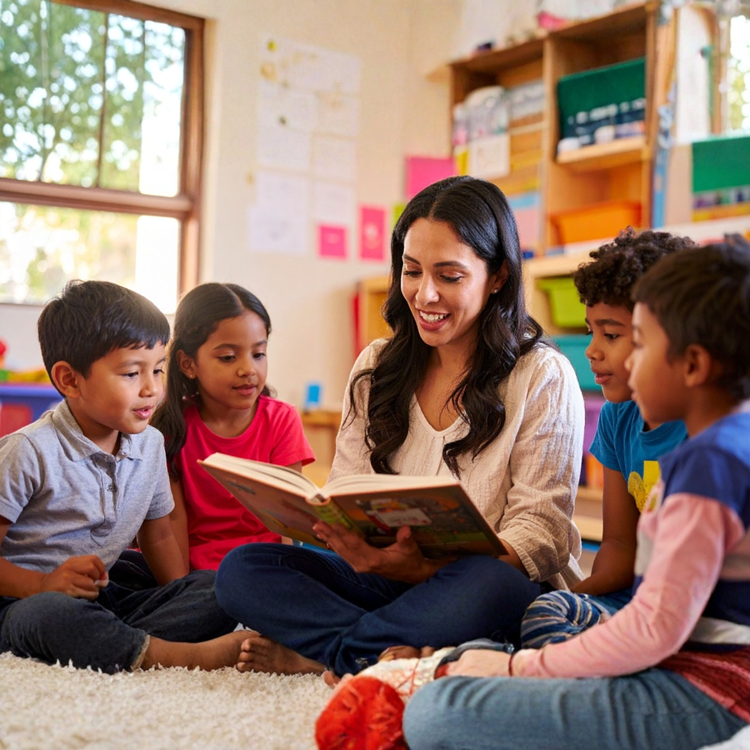
How do children learn through stories? Here’s the non-boring answer: stories hijack multiple parts of a kid’s brain at once. When they hear a story, they’re not just absorbing facts like some kind of tiny information sponge—they’re seeing movies in their heads, feeling things, and making connections faster than I can say “stop touching your brother.”
This fancy educator folks call this the “story method of learning” or narrative-based education. Basically, instead of throwing facts at kids like confetti, you wrap them in a story with characters, problems, and payoffs.
My kid can’t remember where he put his shoes five minutes ago. But he can recite entire plot lines from books we read three months back, complete with dramatic gestures and sound effects. Why? Because stories are sticky. They’ve got heart. They’ve got heroes.
And here’s the kicker: history and storytelling go together like jet lag and bad decisions. You literally can’t have one without the other.
History IS Storytelling (Mind. Blown.)
Plot twist: Every history lesson you ever suffered through? That was actually a story. Just a really, really badly told one.
Is history derived from “his story”? Nope—that’s a myth. But here’s why people ask: for way too long, history got told from very specific perspectives. Which is exactly why we need Harriet Tubman’s story right next to Abraham Lincoln’s. We need Malala’s voice alongside Gandhi’s.
How are stories connected to the study of history? They’re basically the same thing wearing different hats. History without story is just a spreadsheet of dates. Story without history is fan fiction. Together? Now we’re cooking.
Turn History into a Global Adventure!
Ready to ditch the dry facts and give your kids a passport to the past?
The secret to a love of history is a great story—especially one packed with travel, discovery, and problem-solving!
If your child thrives on adventure, critical thinking, and world travel, look no further than the educational and adventure books for kids by Bulat Hametov. His narrative-based guides are designed to take young readers on thrilling journeys through famous cities and historical landmarks, encouraging them to solve riddles, discover hidden facts, and learn about global cultures.
Stop making history a chore. Make it an adventure!
📚 Click here to explore Bulat Hametov’s books for kids education, learning, and adventure!
The 5 Magic Ingredients That Make Historical Stories Stick (Like Gum on Airport Floors)
Smart people who study this stuff say effective learning stories need five things:
- Character – Someone your kid can root for (or at least not hate)
- Setting – Where and when this went down
- Problem – Something’s wrong and needs fixing
- Action – What they did about it
- Resolution – How it turned out
Take William Wilberforce: Kid (character) in 1700s-1800s England (setting) saw people from Africa being enslaved (problem). He became the most annoying person in Parliament, constantly talking about how horrific the slave ships were (action). In 1807, British leaders finally caved and ended the slave trade (resolution).
Boom. That’s a story structure your kid’s brain can actually hang onto.
Turning Dead Historical Dudes Into Actual People
When you tell your kids about Rosa Parks, skip the textbook version. Don’t say “On December 1, 1955, an African American woman refused to give up her seat.”
Instead, say: “Rosa was tired. Not just regular tired—tired of being treated like she didn’t matter. So when that bus driver told her to move to the back for a white passenger, you know what she said? Nope. Just… nope.”
That woman went to jail. But people stopped riding the bus for 381 days—over a year!—until the leaders finally admitted the rules were garbage.

Or Abraham Lincoln. Forget “16th President.” Start with: “Little Abe saw people being forced to work as slaves, and literally no one could agree if that was okay or messed up. Spoiler alert: it was very messed up.”
And Harriet Tubman? She didn’t like being told what to do. (Relatable, am I right?) In 1849, she escaped slavery by running north to freedom. Then—and this is the insane part—she went BACK. Multiple times. To help others escape. They called her route the Underground Railroad, even though it wasn’t underground or a railroad, because naming things has never been our strong suit.
Story-Based Learning Methods: What Works & What Doesn’t
| Teaching Method | Effectiveness Rating | Why Kids Love It | Why Parents Love It |
| Story-Based Books (like “Who Was…?” series) | ⭐⭐⭐⭐⭐ | Characters feel like friends | Convenient, repeatable, age-appropriate |
| Documentary Videos (10-15 min) | ⭐⭐⭐⭐ | Visual + audio engagement | Educational screen time guilt-free |
| Historical Site Visits | ⭐⭐⭐⭐⭐ | They can TOUCH history | Creates lasting family memories |
| Role-Playing Activities | ⭐⭐⭐⭐⭐ | They become the hero | Free and hilarious |
| Traditional Textbooks | ⭐⭐ | They don’t (let’s be honest) | Cheap, but soul-crushing |
| Interactive Apps/Games | ⭐⭐⭐⭐ | Gamification hooks them | Progress tracking built-in |
| Audio History Podcasts (kid-friendly) | ⭐⭐⭐ | Great for car rides | Hands-free learning |

What Kids Learn From Historical Stories (Besides How to Zone Out During Car Rides)
What lessons can we learn from stories? Oh, buckle up. It’s not just “slavery bad, freedom good.” Kids absorb way more than that:
From Gandhi: You don’t have to throw punches to throw down. In 1930, he walked 241 miles just to make salt—SALT—and it helped convince thousands that India should be its own country. Take that, British Empire.
From Malala: Education is worth fighting for. When extremists in Pakistan said girls shouldn’t go to school, this teenager basically said “watch me” and became the youngest Nobel Peace Prize winner at 17 in 2014. Children’s books about changemakers like Malala should be required reading.
From Susan B. Anthony: Never. Give. Up. She wanted to vote like the boys but got arrested for trying. She spent her ENTIRE LIFE fighting for equality. Finally, in 1920—14 years after she died—women got the right to vote. Persistence level: legendary.
From Martin Luther King Jr.: Words can literally change laws. His “I Have a Dream” speech in 1963 helped convince American leaders to finally admit in 1964 that, yes, treating people differently based on skin color is wrong. Revolutionary concept, apparently.
These aren’t fluffy bedtime tales. These are historical narratives for children that teach courage, justice, and standing up when everyone else is sitting down.
Why Stories Work (Science Stuff, But Make It Snappy)
How do we learn from stories? Here’s the nerdy part: emotions create memory superhighways in your brain. When a story makes you feel something—anger, joy, “holy cow, she did WHAT?”—your brain releases chemicals that basically superglue that memory in place.
Here’s what these heroes actually said (and yes, these are real quotes that’ll make you feel things):
- Harriet Tubman: “You have within you the strength, the patience, and the passion to change the world”
- Abraham Lincoln: “Be sure you put your feet in the right place, then stand firm”
- Susan B. Anthony: “Failure is impossible”
- Mahatma Gandhi: “You must be the change you wish to see in the world”
- Martin Luther King Jr.: “The time is always right to do what is right”
- Malala Yousafzai: “One child, one teacher, one book, one pen can change the world”

Those aren’t just nice words for Instagram. They’re battle cries from people who actually walked the walk.
Teaching History Through Travel (The Grumpy Dad Special)
Here’s where I get all excited and possibly annoying: the world is the best classroom. Fight me.
Sure, you can read about Gandhi’s Salt March in some book. Or you can tell your kid about it while standing on an Indian beach—the SAME beach Gandhi walked to in 1930. Suddenly it’s not a story. It’s real. It’s sand between your toes and “oh wow, this actually happened RIGHT HERE.”
You can teach your kids about Rosa Parks at home. Or you can talk about her while riding a city bus together. “See this seat? Imagine being told you can’t sit here because of your skin color. That’s what Rosa said no to.”
Every trip—business travel, family vacation, even that road trip where everyone fought about snacks—is a chance to connect your kids to the people who shaped our world.
And look, I spend way too much time in airports for work. But those trips? They’ve taught my kids more than any textbook ever could. Travel and cultural learning go together like jet lag and overpriced airport coffee.
How to Make History Not Suck (Practical Tips from a Guy Who’s Been There)

You don’t need a PhD in teaching methods for history. You just need to not be boring. Here’s what actually works:
Watch short videos – That 10-minute hero video I found? Gold. Kids don’t have long attention spans. Neither do I. Work with it.
Read good books – Grab some children’s history storybooks or educational books for kids that don’t read like instruction manuals. Picture books about historical figures work great for younger kids. Look for titles that treat these heroes like the interesting humans they were.
Recommended Amazon Products:
📚 “Who Was?” Series Complete Set – Perfect for ages 8-12, these engaging biographies turn historical figures into relatable characters. Each book is under 100 pages with illustrations throughout.
📚 “Little People, Big Dreams” Collection – Gorgeously illustrated hardcover books for ages 4-8. Features diverse changemakers from Harriet Tubman to Malala. Beautiful keepsakes that kids actually want to read.
📚 “I Am” Series by Brad Meltzer – First-person narratives that make kids feel like they’re inside the story. Includes titles like “I Am Rosa Parks” and “I Am Abraham Lincoln.”
📚 “Good Night Stories for Rebel Girls” – Game-changing collection of 100 bedtime stories about extraordinary women. Beautifully illustrated, empowering messages.
🎬 “Heroes Who Changed the World” Documentary Collection – Age-appropriate video series available on Amazon Prime. Each episode is 10-15 minutes—perfect attention span length.
🎒 Kids’ Adventure & Learning Guide serices – Guided journal with prompts for documenting historical site visits. Makes every trip a learning opportunity.
🗺️ Interactive World History Timeline Poster – Large, detailed wall chart that helps kids visualize when historical events happened. Waterproof, tear-resistant.
Role-play it – “Okay, you’re Harriet Tubman. It’s dark. You’re scared. But people are counting on you. What do you do?” Spoiler: your kids will surprise you.
Connect stories to places – “This is where Martin Luther King Jr. gave his speech. Right here. Wild, right?”
Ask the magic question – “What wrong thing should WE fix?” Let these historical heroes inspire your kids to think bigger than their minecraft worlds.
The Real Deal: These Heroes Were Kids Once Too
Here’s what gets me every single time: all these world-changers started as regular kids with regular kid problems.
Susan didn’t like being excluded. Harriet hated being bossed around. Gandhi avoided fights. Martin noticed unfairness. Malala just wanted to learn.
That’s YOUR kid. Right now. Same feelings.
The difference? These kids grew up and decided to DO something about what bothered them. William Wilberforce wouldn’t shut up about slave ships until Parliament finally caved in 1807. Rosa Parks said “nope” and went to jail, but people stopped riding buses for 381 days until the rules changed.
As Wilberforce said: “It is inconceivable that we could be bored in a world with so much wrong to tackle.”
Translation: There’s too much to fix to waste time being bored. Get up and do something.

Bottom Line: Raising Tiny Revolutionaries (The Good Kind)
History for kids isn’t about memorizing when Columbus sailed or what year something happened. It’s about showing them that regular people—people who started as kids JUST LIKE THEM—changed the world.
So next time you’re planning a trip, reading before bed, or stuck in traffic (again), remember: you’re not just teaching history. You’re showing your kids that ordinary people do extraordinary things. You’re inspiring the next generation of world-changers.
And honestly? That beats memorizing dates any day of the week.
Frequently Asked Questions (FAQs)
Q: At what age should I start teaching my kids history through stories? A: Start as early as 3-4 years old with simple picture books like the “Little People, Big Dreams” series. Even toddlers can grasp basic concepts like “helping others” and “being brave.” By ages 6-8, they’re ready for more detailed narratives from the “Who Was?” series or “I Am” books.
Q: How do I make history relevant to my child’s modern life? A: Connect historical struggles to current issues they see or experience. Discuss how Rosa Parks’ bus protest relates to standing up to bullies, or how Malala’s fight for education connects to their own school experience. Ask: “What would YOU do in that situation?”
Q: My child hates reading. How can I teach history through stories? A: Try audiobooks, podcasts like “Stories Podcast” or “WOW in the World,” short documentary videos (10-15 minutes max), or role-playing activities. The “Heroes Who Changed the World” documentary series on Amazon Prime is perfect for visual learners.
Q: What if my child asks difficult questions about slavery, war, or injustice? A: Be honest but age-appropriate. Focus on the helpers and heroes who made things better. Emphasize that people stood up and changed these wrongs. Use phrases like “That was wrong, and brave people worked hard to fix it.”
Q: How can I incorporate history into our daily routine without it feeling forced? A: Point out historical markers during drives, discuss “this day in history” at dinner, choose historical fiction for bedtime reading, or play “guess the historical figure” games. Keep it casual and conversational.
Q: Are there apps or digital resources that teach history through storytelling? A: Yes! Try History for Kids app, Timeline World History, Epic! (reading app with tons of historical books), and BrainPOP Jr. for animated history stories. Many are free or have free trials.
Q: How do I find historical sites to visit near us? A: Search for local historical societies, state parks with historical significance, museums with interactive exhibits, or heritage sites. Even small towns often have Civil War monuments, founding father homes, or civil rights landmarks.
Q: What’s the difference between historical fiction and actual history for kids? A: Historical fiction uses real time periods as backdrop but may have fictional characters or events. Look for books labeled “biography” or “non-fiction” for actual history, but don’t discount historical fiction—it’s still great for sparking interest!
Q: How can I teach world history when most resources focus on American history? A: Check out “Stories from Around the World” collections, Usborne World History books, and diverse biography series. Grumpy Dad Travel Tales shares international historical stories regularly!
Q: My child is obsessed with one historical figure. Should I encourage broader learning? A: Let them dive deep! Obsession means engagement. Once they exhaust one hero, naturally introduce connected figures. Love Harriet Tubman? Try Frederick Douglass next. Love Gandhi? Introduce Nelson Mandela.
Ready to Transform How Your Kids Learn History?
Don’t let another boring history lesson pass by. It’s time to turn your kids into the curious, compassionate world-changers they’re meant to be.
📚 Start With These Story-Based Resources:
Grab These Top-Rated History Books:
- “Who Was?” Complete Series (Ages 8-12) – Available on Amazon
- “Little People, Big Dreams” Collection (Ages 4-8) – Beautifully illustrated hardcovers
- “I Am” Series by Brad Meltzer (Ages 5-10) – First-person historical narratives
- “Good Night Stories for Rebel Girls” – 100 inspiring bedtime tales
Watch Engaging Content:
- Stream the “Heroes Who Changed the World” documentary series on Amazon Prime
- Subscribe to age-appropriate history YouTube channels
- Download educational apps like BrainPOP Jr. and Epic! Reading
✈️ Plan Your Next Educational Adventure:
Turn your next family trip into a living history lesson. Visit civil rights landmarks, walk the Freedom Trail, explore presidential libraries, or stand where heroes once stood.
Need Travel Inspiration? Check out our family-friendly historical destination guides at grumpydadtraveltales.com/
🌟 Join the Grumpy Dad Travel Tales Community
Where humor meets history, and parenting meets adventure!
We’re not just about travel—we’re about raising kids who see the world as their classroom. Get weekly stories, historical insights, travel tips, book recommendations, and honest dad moments that’ll make you laugh and think.
📲 Connect With Us:
🔵 Facebook: facebook.com/grumpydadtraveltales
- Daily travel stories and parenting wins (and hilarious fails)
- Community discussions on teaching history through adventure
- Exclusive travel deals and historical site recommendations
- Live Q&A sessions with fellow traveling parents
📸 Instagram: @grumpydadtraveltales
- Stunning photos from historical sites around the globe
- Quick history lessons perfect for kids
- Behind-the-scenes travel moments
- Instagram Stories featuring daily “This Day in History”
🌐 Website: grumpydadtraveltales.com
- FREE downloadable resources: Travel journals for kids, historical site checklists, age-appropriate reading lists
- Comprehensive guides: How to visit major historical sites with children
- Blog archive: In-depth articles on teaching history through travel
- Book reviews: The best children’s history books, rated by real traveling parents
💬 Share Your Story!
What historical hero inspired YOUR child? Drop a comment below! I read every single one (usually while waiting for delayed flights with overpriced airport coffee).
Are you already teaching history through travel? Share your best tips with our community. Together, we’re raising the next generation of world-changers—one story, one trip, one “aha moment” at a time.
Now go make some history. Or at least some memories. Preferably both. ✈️☕